
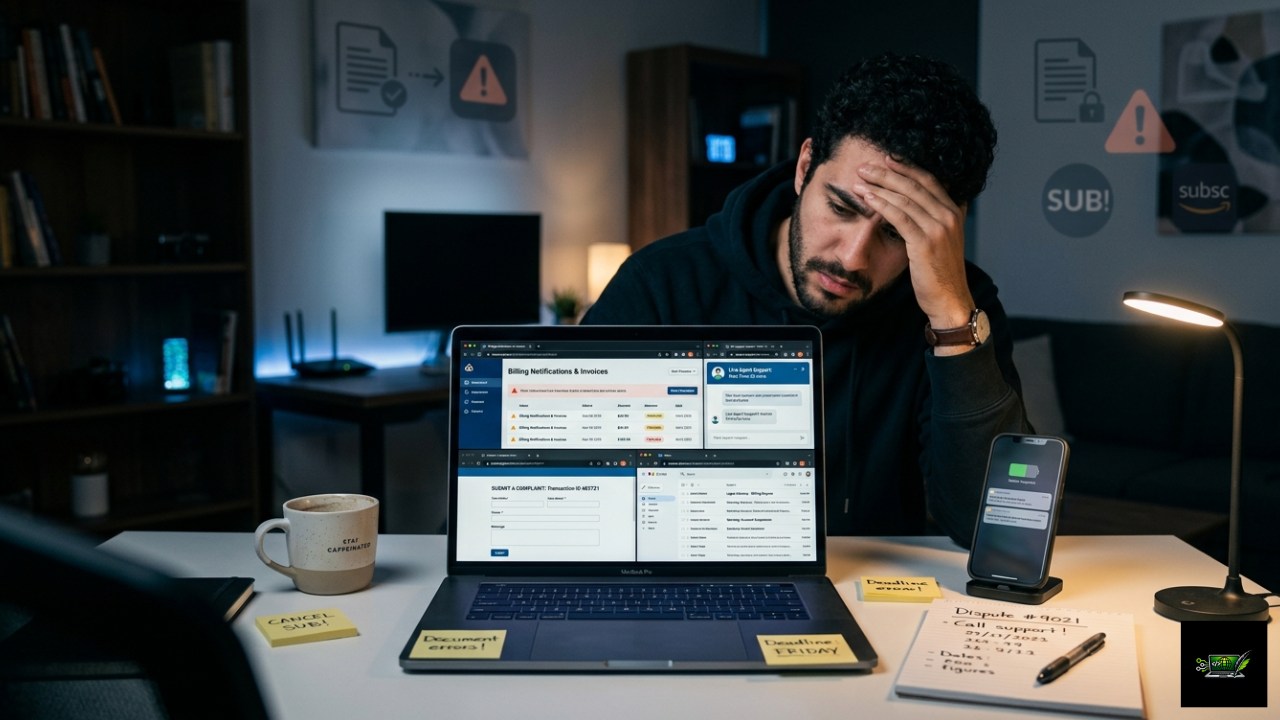
A few months ago, I came across the term BlingleLawsuit while scrolling through a discussion thread late at night. At first, I thought it was just another internet rumor blowing up for no reason. These days, almost every popular company or online service eventually gets dragged into some kind of controversy, so I honestly ignored it.
But then I noticed people sharing screenshots, personal experiences, and complaints that sounded surprisingly detailed. Some users claimed they lost money. Others talked about misleading promises, confusing contracts, or customer service issues that never got resolved. That’s when I decided to look deeper instead of relying on random comments.
I spent several days reading discussions, checking public information, comparing user feedback, and trying to understand what was actually happening behind the “BlingleLawsuit” searches people were making online.
What I discovered wasn’t as simple as “company bad” or “users wrong.” It was more complicated — and honestly, it reminded me how important it is to read the fine print before signing up for anything online.
Why People Started Searching for “BlingleLawsuit”
Most people don’t search lawsuit-related terms unless they’re frustrated, confused, or worried about money.
That’s exactly what seemed to happen here.
The keyword “BlingleLawsuit” started appearing because users were trying to figure out:
- Whether legal action had actually been filed
- If customer complaints were real
- Whether refunds were possible
- If the company’s advertising claims were accurate
- What other users experienced after signing up
I noticed a pattern while reading discussions. Many people weren’t even angry at first. They were simply trying to understand unexpected charges, unclear agreements, or promises that didn’t match their expectations.
That part felt very familiar to me because I’ve personally dealt with services where the marketing sounded amazing until the billing started.
My First Impression After Reading User Experiences
One thing stood out immediately: most complaints weren’t coming from people who fully understood what they signed up for.
That may sound harsh, but it happens constantly online.
A flashy ad appears.
Someone clicks quickly.
They rush through registration.
Then later they realize there were conditions hidden inside terms or pricing details.
I’m not saying companies should hide information. Clear communication matters. But users also skip important details more often than they admit.
While researching Blingle-related discussions, I noticed several recurring issues:
1. Confusing Billing Expectations
This was probably the biggest complaint.
Some users expected one-time pricing but later saw recurring charges. Others believed certain features were included when they actually required upgrades.
I’ve personally made this mistake before with online tools and subscriptions. Once, I accidentally paid for three months of a service because I forgot to cancel a free trial.
That experience taught me to always:
- Screenshot pricing pages
- Save confirmation emails
- Read cancellation policies immediately
- Set calendar reminders for trial endings
Simple habits like these can prevent a lot of stress later.
The Problem With Aggressive Marketing
Another thing I noticed while researching the Blingle discussion was how aggressive online marketing can create unrealistic expectations.
This isn’t unique to one company.
YouTube ads, TikTok promotions, influencer sponsorships, and flashy landing pages often make products sound life-changing. Sometimes the service itself is fine, but the advertising creates expectations that reality can’t match.
I’ve tested dozens of online platforms over the years, especially software tools and subscription services. One lesson I learned the hard way is this:
If a company spends more effort on hype than explaining the actual product, I become cautious immediately.
A few warning signs I personally watch for now include:
- “Guaranteed income” style messaging
- Unrealistic success screenshots
- Countdown timers everywhere
- Hard-to-find refund policies
- Pressure to upgrade quickly
- Vague feature descriptions
These don’t automatically mean a scam is happening, but they’re signals to slow down and research properly.
How I Personally Verify Whether Online Complaints Are Legitimate
When I first saw discussions about BlingleLawsuit, I didn’t trust either side immediately.
That’s important.
Internet discussions can become exaggerated very quickly. One bad experience gets repeated hundreds of times until nobody knows what’s true anymore.
Here’s the exact process I usually follow now before believing online accusations.
Step 1: Check Multiple Sources
I never rely on a single Reddit thread, YouTube video, or review site.
Instead, I compare:
- User forums
- Social media discussions
- Trust-based review platforms
- Public business complaints
- Official company responses
If the same complaint appears repeatedly across different platforms, there’s usually some truth behind it.
Step 2: Look for Specific Details
Real users usually describe actual situations.
For example:
- Dates
- Billing amounts
- Email conversations
- Account issues
- Support ticket experiences
Fake outrage tends to stay vague.
That’s something I’ve learned after years of researching online services.
Step 3: Watch How Companies Respond
This part matters more than most people realize.
Every company receives complaints eventually. The important part is how they handle them.
Do they:
- Ignore users?
- Offer refunds?
- Explain misunderstandings?
- Improve communication?
- Update policies?
A professional response often tells you more than the original complaint itself.
Common Mistakes People Make During Online Signups
While looking into the Blingle situation, I realized many users repeat the same mistakes again and again.
Honestly, I used to do several of these myself.
Skipping Terms Completely
Nobody enjoys reading terms and conditions, but ignoring them entirely is risky.
Now I specifically check:
- Billing frequency
- Cancellation policy
- Refund eligibility
- Trial limitations
- Automatic renewals
Those five things alone can save serious frustration.
Using Primary Debit Cards Everywhere
This is another lesson I learned after getting charged unexpectedly years ago.
Now I prefer:
- Virtual cards
- Limited-balance cards
- Payment methods with dispute protection
It adds an extra layer of security if something goes wrong.
Trusting Influencer Promotions Blindly
This one has become a huge issue recently.
I’ve seen influencers promote tools they clearly never used themselves. Some only repeat marketing points from sponsorship emails.
Whenever I see heavy influencer promotion now, I actively search for:
- Independent reviews
- Negative feedback
- Long-term user experiences
- Actual screenshots from customers
That usually reveals the real story faster.
What To Do If You Feel Misled by an Online Service
After reading so many discussions connected to BlingleLawsuit, I noticed many users didn’t know what steps to take once problems appeared.
Here’s the practical approach I personally recommend.
Document Everything
Before contacting support:
- Save receipts
- Screenshot pricing
- Keep emails
- Record dates of conversations
This becomes extremely important if disputes escalate later.
Contact Support Calmly
Angry messages usually slow things down.
I’ve had better success when writing short, clear explanations that include:
- What happened
- When it happened
- What outcome I want
Support teams respond much better to organized communication.
Understand Refund Windows
Many services have refund deadlines hidden inside policies.
Check them immediately.
Waiting too long can reduce your options significantly.
Use Official Dispute Channels If Necessary
If serious billing issues occur:
- Contact payment providers
- Use platform dispute systems
- File formal complaints through proper channels
But this should usually happen after trying direct communication first.
One Thing That Surprised Me During My Research
What surprised me most wasn’t the complaints themselves.
It was how quickly online discussions turn emotional.
Some people instantly labeled everything a scam.
Others defended the company aggressively no matter what.
The reality usually sits somewhere in the middle.
Most online disputes involve:
- Miscommunication
- Poor onboarding
- Confusing pricing
- Weak customer support
- Unrealistic expectations
- Marketing exaggeration
That doesn’t excuse bad business practices if they exist. But it also doesn’t mean every angry post tells the full story.
My Personal Rule Before Paying for Anything Online Now
After years of testing digital services — and after reading through situations like BlingleLawsuit — I follow one simple rule:
If I can’t fully explain how the pricing works within two minutes, I don’t buy immediately.
Instead, I:
- Read independent reviews
- Search complaint keywords
- Test free versions carefully
- Check cancellation options first
This habit has saved me from several bad purchases recently.
Are Online Lawsuit Discussions Always Accurate?
Definitely not.
That’s another important lesson here.
Sometimes lawsuit-related keywords trend even when:
- No official lawsuit exists
- Complaints are isolated
- Situations are exaggerated
- Competitors spread negativity
- Users misunderstood terms
That’s why research matters more than emotional reactions.
Whenever I investigate online controversies now, I try to separate:
- Verified facts
- User opinions
- Emotional frustration
- Actual evidence
It takes more time, but it usually leads to a much clearer understanding.
Final Thoughts
Looking into the BlingleLawsuit topic reminded me how messy the internet can become once complaints start spreading online.
Some users may have legitimate frustrations.
Others may have misunderstood what they signed up for.
And sometimes companies simply fail at explaining things clearly enough.
The biggest takeaway for me personally was this:
Online convenience often makes people move too fast.
We click quickly.
Agree quickly.
Subscribe quickly.
Then later realize we never fully understood the details.
Now, before I join any platform or online service, I slow down intentionally. I check pricing carefully, read cancellation rules, and search for real user experiences before entering payment information.
That extra ten minutes of research can prevent weeks of frustration later.
